
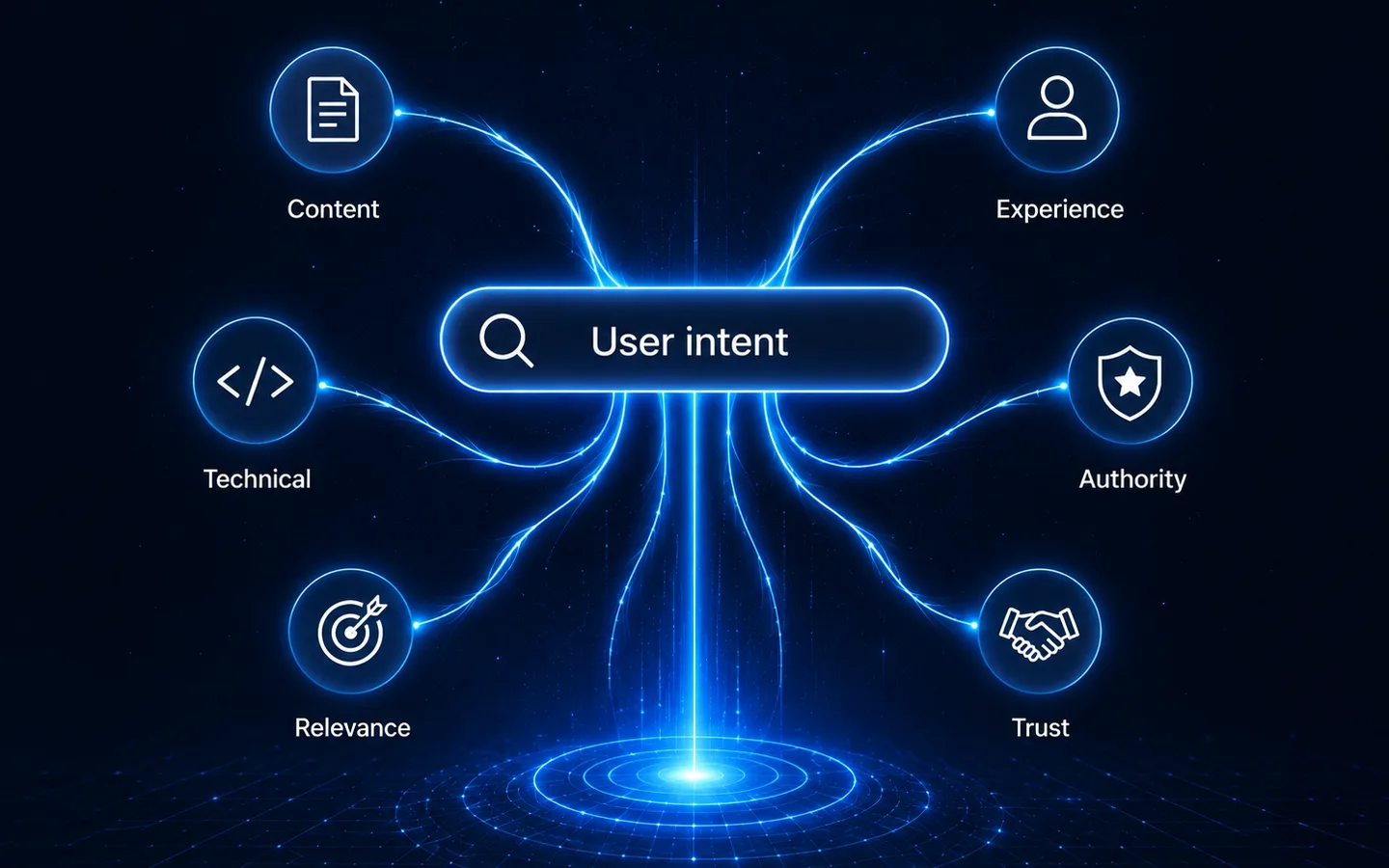
Search traffic charts look scary in 2026. Google now shows an AI answer on roughly one in eight queries, and on those searches the click rate can fall by half or more. A lot of site owners read that and start chasing every rumor about how to beat the machine. That reflex burns time and rarely pays. The pages that still get picked, cited, and clicked share the same base they always did. A strong SEO strategy builds that base first and lets the gains stack up, rather than jumping at each new update.
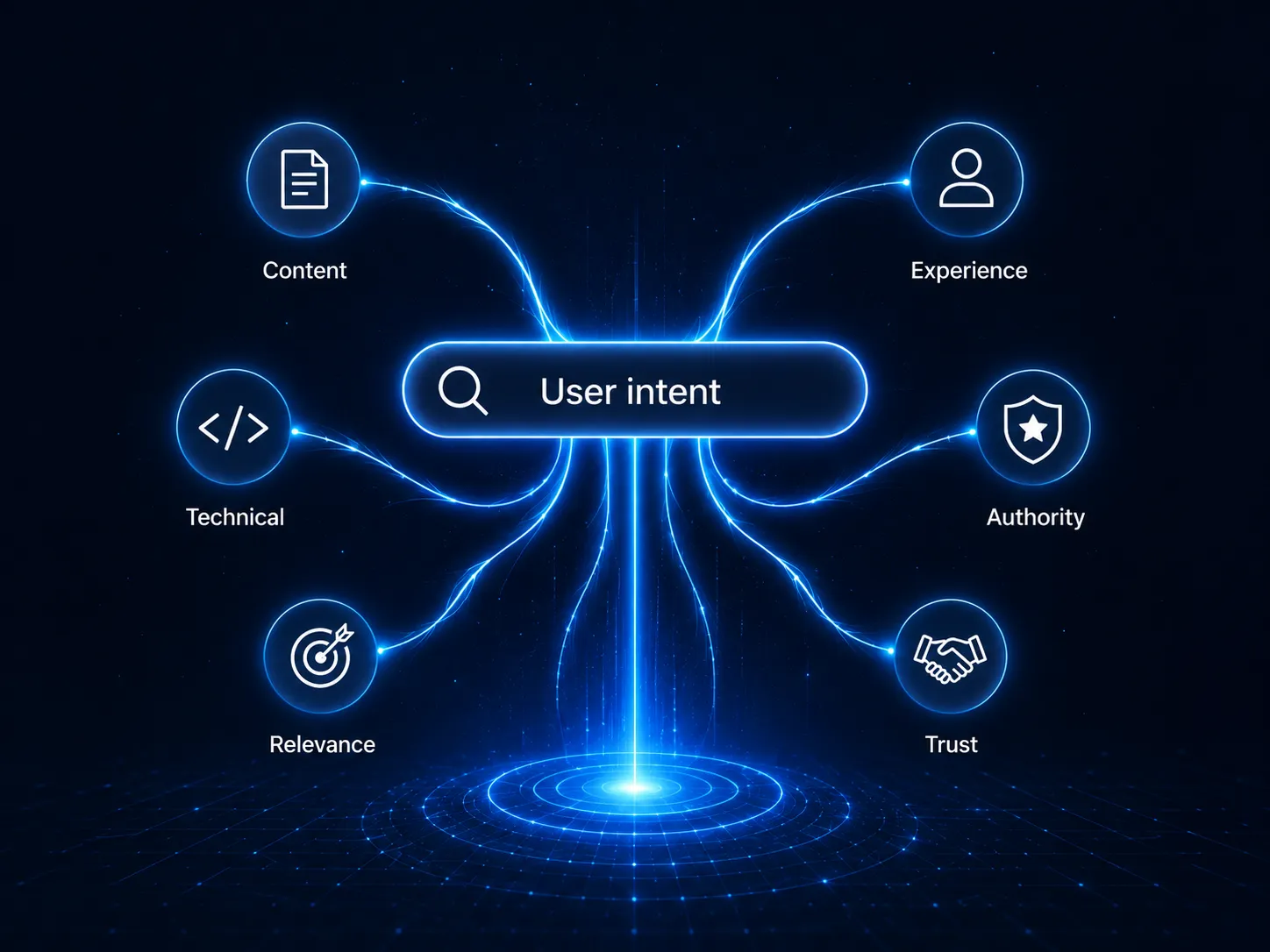
What Changed in SEO, and What Did Not
The visible part of search changed a lot. AI Overviews expanded from a small test into a fixture that answers many questions right on the results page, so more people read without clicking. Search Console shows the pattern plainly: impressions hold steady or rise while clicks drop. That gap feels like a loss, and for raw traffic it often is.
The hidden part barely moved. Google still leans on the same signals to decide which pages are credible enough to feed an AI answer in the first place. A weak site does not get rescued by the AI layer. It gets skipped. So the ranking work that earned attention before still earns it now, and the AI summary only decides how that attention gets used.
One more shift is worth a clear head. The clicks that do come through tend to be better. A reader who saw a summary, wanted more, and clicked anyway arrives with real interest. That means a strategy aimed only at click volume misreads the moment. The goal is to be the source the answer trusts and the page the interested reader chooses next.
The type of query matters here too. AI Overviews hit simple informational searches hardest, the “what is” and “how does” questions that a two-line summary can close. Searches tied to a decision, like a comparison or a price check, still push people to click, because a summary rarely settles a purchase. So the same expansion that guts traffic on definition pages can leave your money pages almost untouched. A plan that reads the whole picture, instead of one scary line on a chart, spends effort where clicks still land.
How to Build an SEO Foundation That Lasts
A credible site starts with plumbing that works. Google has to crawl your pages, read them, and store them before any of your content can rank or feed an answer. When that pipe leaks, nothing downstream matters.
Fix Crawling and Indexing First
Check that important pages return a clean status, load fast, and appear in the index. Our guide on how Google finds and renders your pages walks through the checks that catch the common blockers. The technical SEO skills collection turns those checks into a routine you can repeat each month.
Make the Site Easy to Use
Speed, a clean layout, and pages that work on a phone are not extras. They shape whether a reader stays, which Google reads as a sign the page delivered. A fast, tidy site also gives crawlers fewer reasons to give up, so your best content actually reaches the index.
Structure helps the machines read you too. Clear headings, plain page titles, and simple markup let Google map what each page covers and how your pages connect. Picture a visitor landing on a page that takes four seconds to show its text on a phone. Many leave before it loads, and that quick exit tells Google the page let them down. The same page served in under a second, with the answer visible right away, keeps the reader and earns a better read from the engine. Speed is not a vanity metric here. It is the difference between a page that holds attention and one that loses it in the first blink. This is quiet work with no glamour, yet it is the part a young site can control fully, and it often returns the fastest wins. A site that loads in a second and states its subject cleanly gives every later effort a stronger place to land.
Why Each Page Should Answer One Search Query
With the foundation solid, the next lever is focus. Google matches content to the exact question behind a search, not just the broad topic. A page that tries to cover a whole subject often answers nothing sharply, and both readers and AI systems pass it by.
Pick one question per page and answer it in the first line, then support that answer with detail below. This habit maps straight onto demand. Our note on building a keyword demand map shows how to turn a topic into the specific questions people actually ask, so each page has one clear job. A tight page beats a broad one for a plain reason: an answer engine can lift a clean, direct passage far more easily than a rambling section.
Focus also fixes a problem many sites create for themselves. When three thin pages all circle the same question, they split your signals and none of them ranks. One deep page that owns the question pulls ahead of all three. So the move is often to merge and sharpen, not to publish more. Fewer, clearer pages give Google an easier read and give readers a reason to stop searching once they land on yours.
How to Earn Trust Signals for SEO and AI Search
Focus gets a page considered. Trust gets it chosen. Search systems and AI answers both favor sources that show real experience and a track record, and they read that trust from signals off your page as much as on it.
Links from respected sites still work as votes of confidence, which is why steady, honest link building that earns authority belongs in any serious plan. Clear author information, citations to solid sources, and consistent mentions across the web all add to the picture. Our study of what AI search citations reward breaks down how these systems weigh a source before they quote it. The through line is simple. Prove you know the subject, and prove other credible people agree.
Experience carries real weight now. Google leans on first-hand knowledge, so a review written by someone who used the product, or a guide from someone who did the work, reads as more trustworthy than a summary of other summaries. Show that experience plainly. Name the author, explain who they are, and include the specific details only a real user would know. AI answers pull from the same signals, and they favor sources that sound like they have been there.
How to Measure SEO Success Beyond Clicks
Trust and focus mean little if you judge them by the wrong number. A dashboard that tracks only raw clicks will flash red in 2026 even when a strategy works, because the AI layer skims off the low-intent traffic that never converted anyway.
Watch the split between impressions and clicks to spot where an AI answer sits above you, then read what happens after the click. Time on page, sign-ups, sales, and return visits tell you whether the traffic you kept is the traffic that matters. Measuring against a baseline, rather than reacting to a single scary number, keeps you honest here. Protect and sharpen the pages near a decision, such as comparisons and pricing, because those are where people still click through to finish the job.
Set a baseline before you change anything, so you can tell a real drop from normal noise. Pull a few months of Search Console data, note which pages carry the business, and mark whether an AI answer shows for their main queries. That record turns a vague worry into a clear read. When traffic dips, you can point to the exact pages and terms behind it, then fix the ones that touch revenue first instead of spreading effort thin across the whole site.
Why Consistent SEO Compounds Over Time
A single strong page is a start. A site full of them, kept fresh, is what compounds. Search rewards sources that stay accurate and useful over months, so the teams that win treat SEO as a routine, not a launch.
Set a rhythm. Review your foundation monthly, refresh aging pages before they slide, and add depth to the topics you already rank for. Each fixed page lifts the ones linked to it, and each round of trust makes the next page easier to rank. That stacking effect is the whole point. It also explains why chasing every update loses. A team that rebuilds around each rumor never lets anything compound, while a team that improves the same core steadily pulls ahead and stays there.
Frequently Asked Questions About SEO Strategy
Is SEO Dead in 2026?
No, though the scoreboard changed. People search more than ever, and Google still sends clicks to sources it trusts, including through AI answers. What died is the easy win from thin content aimed at a single keyword. Sites that publish genuine, well-sourced answers still gain, and many report that AI-referred visitors convert better than old-style organic traffic.
How Long Does SEO Take to Show Results?
Plan for three to six months before a new page finds a stable spot, and longer for competitive terms. A brand-new site waits longer than an established one, because trust builds slowly. Technical fixes can move faster, sometimes within weeks, since they remove blockers that already held good pages back.
Should I Block Google’s AI From Using My Content?
You can, with settings that keep pages out of AI training or answers, but most sites lose more than they gain. Blocking the AI layer often removes you from the summaries where readers now discover sources, without restoring the old click volume. A safer path is to stay visible and shift your measure toward the quality visits and conversions that survive the change.
Can I Rank Without Building Links?
Sometimes, for low-competition terms where your content clearly beats the field. For anything contested, links still tip the balance, because they remain one of the strongest trust signals a search system reads. A young site can start with strong content and earn its first links through genuine coverage, then compete for harder terms as authority grows.
How Much Should a Small Business Spend on SEO?
Spend on the foundation first, since a fast, crawlable, well-structured site costs little and makes everything else possible. Beyond that, tie the budget to the value of a customer. A business with high-value sales can justify steady investment in content and outreach, while a smaller operation may win with a tight set of pages that answer its core buying questions well.