Keyword Research in 2026: Build a Demand Map, Not a List
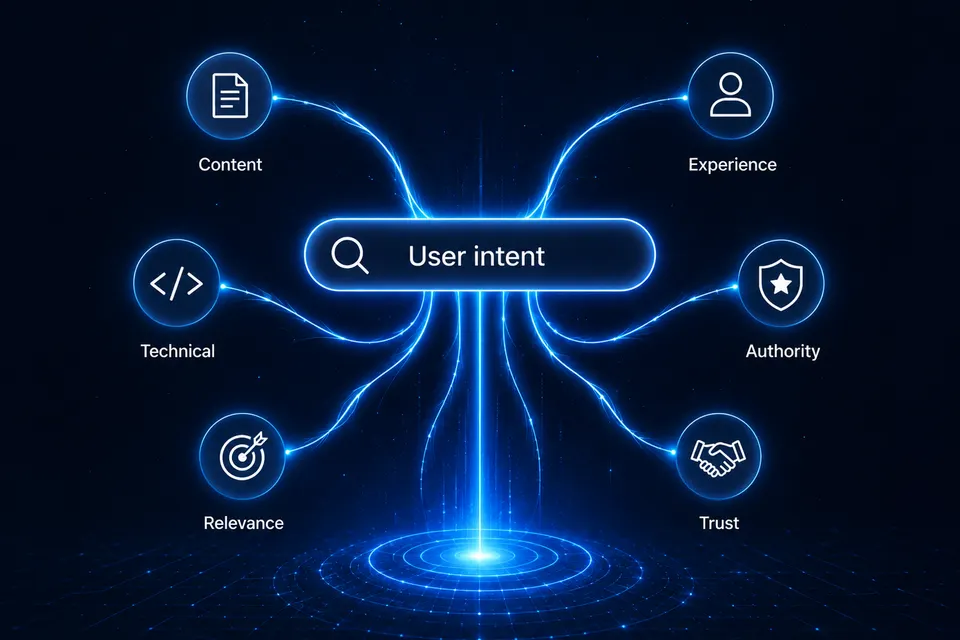
Search engines read meaning now, so keyword research means mapping intent, grouping terms into clusters you can own, and testing the plan against live results.
Read more
Editorial analysis, practical tutorials and measured perspectives on modern search.
Search engines read meaning now, so keyword research means mapping intent, grouping terms into clusters you can own, and testing the plan against live results.
Read moreWhat Google confirmed about the August 2026 spam update, with a diagnostic workflow and three cross-industry Semrush case studies.
Read moreClicks are down and AI answers sit on top of results, yet the foundation that gets a page picked has not changed. Here is where to spend effort in 2026.
Read moreDiscovery runs as a pipeline from crawl to render to index. Here is where it breaks on modern sites and the signals that keep your content reachable.
Read moreA rewrite can drop the terms a page already ranks for. Record its query coverage first, improve by adding, and measure the change against that baseline.
Read moreThe links worth having come from being a source people cite. Here is how to earn them in 2026, avoid the ones that hurt, and measure real authority.
Read moreInternational SEO fails silently through hreflang errors and thin translation. Sequence markets by real demand and treat each one as its own site.
Read moreAI answers quote a narrow set of sources, and each engine picks differently. Here is what earns a citation and how to measure it per platform.
Read moreGEO is the work of getting your content into AI-generated answers. It builds on SEO, adds a few new moves, and rewards sources models can trust and reuse.
Read moreAEO is the work of becoming the answer a search engine reads back. Structure pages around real questions, use schema, and format so a machine can lift you.
Read more